Systems Engineering in Operational Readiness Programs
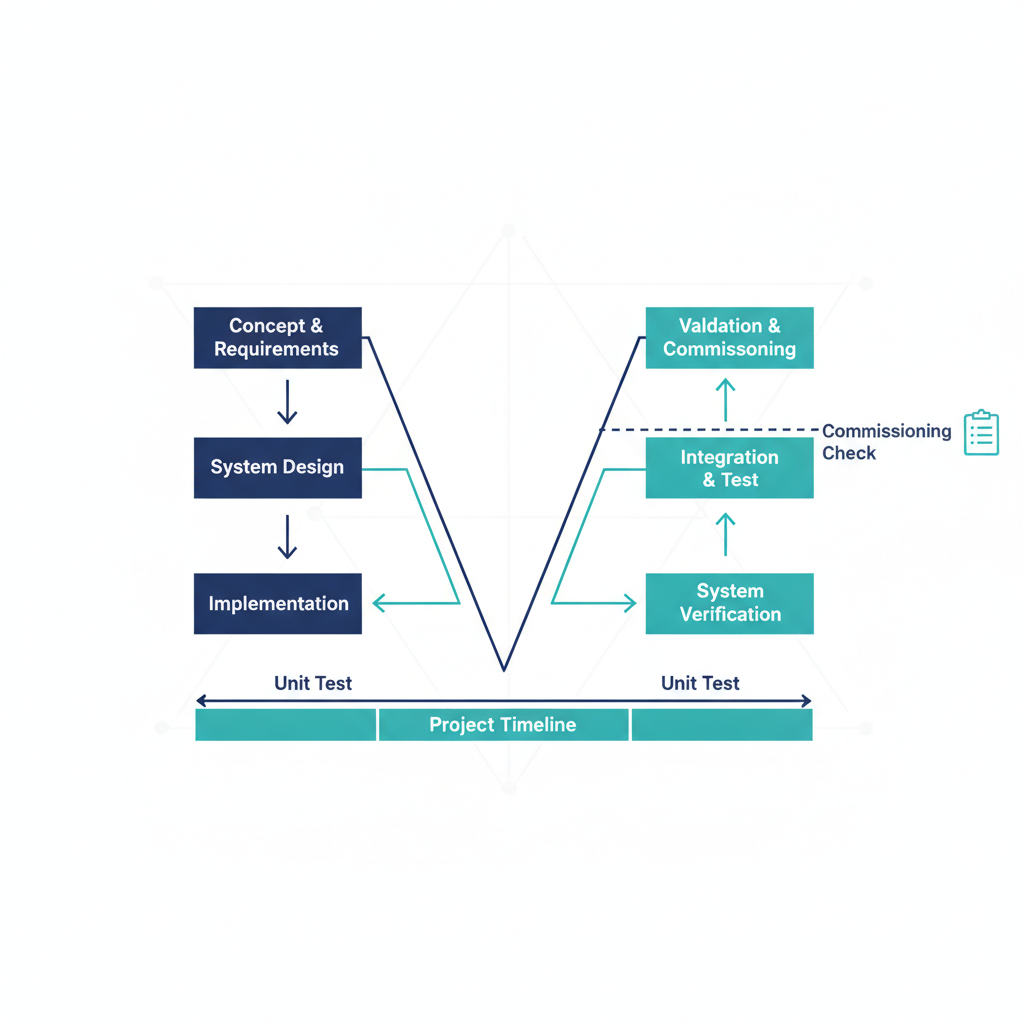
In Australian heavy industry, the transition from capital project delivery to commercial operation remains a high-risk phase. Megaprojects across mining, energy transition, utilities, and processing facilities frequently meet their mechanical completion milestones only to stall during ramp-up. The root cause is rarely a failure of individual components; it is an integration failure. Operational readiness (OR) is often treated as a late-stage checklist executed months before commissioning, rather than a multidisciplinary engineering discipline initiated at front-end engineering design (FEED). By embedding systems engineering principles into your operational readiness program, asset owners can systematically de-risk ramp-up schedules, protect capital value, and achieve nameplate capacity on schedule.
1. Establish Operational Concepts Before Freezing Detailed Design
Operational failure modes typically originate during early design decisions made without operational context. Engineering, Procurement, and Construction (EPC) contractors are incentivised to deliver against static functional specifications, which often overlooks dynamic operational realities such as shift turnovers, remote operating centres (ROCs), transient process conditions, or severe weather contingencies.
Systems engineering mitigates this disconnect through the disciplined development of a Concept of Operations (CONOPS). A CONOPS translates high-level business objectives into explicit operational scenarios before detailed engineering locks down equipment specifications. To execute this effectively:
- Engage operations and maintenance leads during the FEED stage to define day-in-the-life scenarios, including degraded states, emergency isolation, and maintenance access.
- Deconstruct system-level requirements into explicit operational and technical performance measures, ensuring technical specifications serve throughput and reliability targets.
- Validate engineering design packages against the CONOPS via structured operational hazard and operability reviews, ensuring that human-machine interfaces (HMI) and operational constraints are addressed prior to fabrication.
2. Rigorous Interface Management Beyond Battery Limits
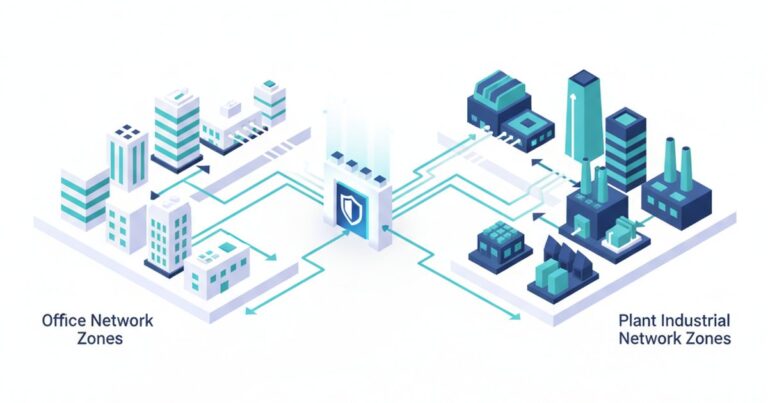
Industrial assets are systems of systems. A minerals processing plant or a grid-scale battery facility requires seamless interoperability between vendor packages, supervisory control and data acquisition (SCADA) systems, electrical distribution, and enterprise resource planning (ERP) platforms. Interfaces are where technical risk concentrates and where schedules fail.
Traditional engineering manages physical battery limits well, but operational readiness demands rigorous control of functional, data, and procedural interfaces. A systems engineering approach establishes clear, traceable interface management throughout the asset lifecycle:
- Deploy Interface Control Documents (ICDs) that define physical, electrical, and data handshakes between distinct packages, explicitly designating ownership between package vendors and the balance of plant.
- Map operational data flows between field instrumentation, programmable logic controllers (PLCs), operational technology (OT) layers, and enterprise maintenance software like SAP or Maximo.
- Conduct interface risk reviews early in procurement to avoid critical gaps, such as mismatched communications protocols or asynchronous control loops, that halt hot commissioning.
3. Align Verification and Validation with Operability, Not Just Compliance
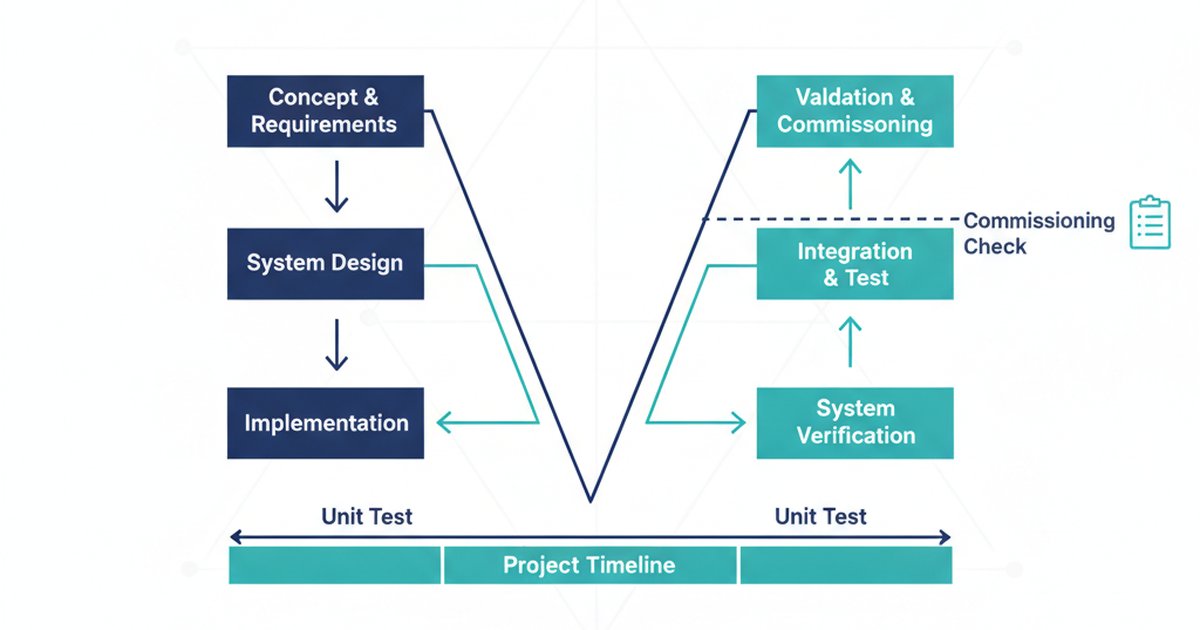
Mechanical completion proves that an asset was built according to the engineering drawings. Verification confirms compliance with technical specifications. However, operational readiness requires validation: objective evidence that the integrated system operates effectively within its intended environment, executed by operational personnel using approved operating procedures.
Treating commissioning as a handover event rather than an ongoing validation gate creates operational disruption. To bridge this gap:
- Shift verification and validation (V&V) left by requiring vendor factory acceptance testing (FAT) to run integrated functional logic tests, not merely component power-ups.
- Design commissioning test packs that mimic real-world operational upsets, raw material variability, and utility fluctuations, using site-specific standard operating procedures (SOPs).
- Require operations personnel to execute early stage functional testing alongside commissioning crews, accelerating competence development and operational familiarity prior to commercial production.
4. Synchronise Data Architecture with Asset Hierarchy
A plant cannot run reliably if maintenance and operations teams inherit unstructured, unverified engineering data on the day of commercial handover. The digital operational readiness footprint must mature in parallel with the physical build.
Applying systems engineering data standards—such as ISO 15288 and ISO 14224—ensures that the functional asset hierarchy established during design aligns with operational maintenance systems:
- Establish a strict engineering tagging and metadata regime that applies universally across EPCs, equipment vendors, and balance-of-plant contractors.
- Populate Computerised Maintenance Management Systems (CMMS) progressive with procurement, linking critical spares data, preventive maintenance routines, and bill of materials (BOM) directly to equipment tags.
- Validate master data completeness prior to cold commissioning, ensuring operations teams have working maintenance strategies, verified manuals, and critical inventory on shelf before first line movement.
Achieving Predictable Ramp-Up Performance
Operational readiness is not an administrative handover phase; it is an engineering discipline focused on total lifecycle performance. Integrating systems engineering into your capital program eliminates the systemic interface failures, capability gaps, and commissioning delays that threaten project economics.
Explore our end-to-end engineering and advisory capabilities on our services page, or contact our team to discuss how we can de-risk your upcoming capital project commissioning and handover.